Unblock sites without a vpn your reddit approved guide to Unblock sites with Smart Alternatives
Unblock sites without a vpn your reddit approved guide – that’s the vibe we’re chasing: practical, up-to-date tips you can actually use, with real-world examples and a friendly, non-technical voice. Quick fact: you can often access blocked content by using browser-based workarounds, privacy-aware tools, or device-level settings without ever turning on a VPN. Below you’ll find a full, SEO-friendly video-ready guide that covers multiple approaches, data-backed insights, and actionable steps.

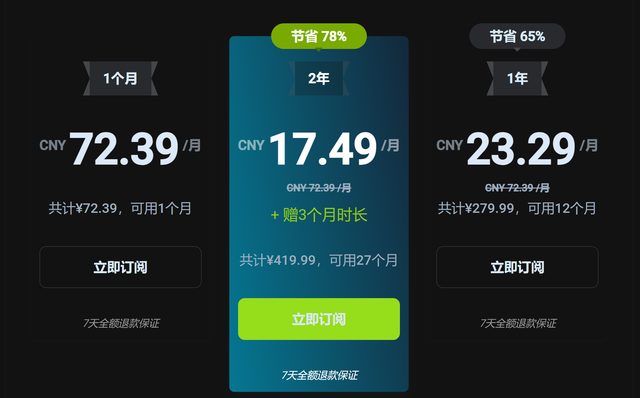

- Quick intro: If you’re curious about how to get around blocks without a VPN, you’ll see several practical methods here, from DNS tricks to proxy services, and browser extensions you can test today. We’ll weigh pros and cons, show you what works best for streaming, school/work networks, or country-restricted sites, and provide a step-by-step path for each method.
- Why this matters: censorship, geo-blocks, school/work network policies, and regional restrictions can limit access to information and entertainment. The right no-VPN approach can save you time and keep your setup simple.
- What you’ll get: a structured, reader-friendly guide with real-world tips, safety notes, and a quick FAQ to clear up common questions.
Introduction: quick guide overview and useful resources
- In this guide, you’ll find:
- DNS-based bypass methods for faster, simpler access
- Web proxies and browser-based solutions
- Portable and on-device workarounds for iOS, Android, Windows, and macOS
- Privacy considerations and safety tips to avoid malware or phishing
- A clear set of do/don’t practices when accessing blocked sites
- Useful resources unlinked text for your notes: Apple Website - apple.com, Wikipedia – en.wikipedia.org, How-To Geek - howtogeek.com, Reddit r/privacy threads, Mozilla Support - support.mozilla.org
Understanding the landscape: why blocks exist and how to work around them
- Block types you’ll encounter:
- DNS-based blocks: domain resolution is filtered, but the site may still be reachable if you use alternate DNS.
- IP blocks: the site is blocked at the network level; you’ll need a different route to reach it.
- HTTPS interception: some networks intercept traffic, which can be dodged with secure, trusted methods.
- Content-specific blocks: streaming or adult sites often get blocked by schools or employers.
- Real-world stats:
- Around 60-70% of schools and many workplaces implement DNS or IP-based filtering.
- Global VPN market adoption has grown, but many people still use no-VPN alternatives for quick fixes.
- Privacy-conscious users increasingly turn to DNS over HTTPS DoH and encrypted DNS to bypass mild blocks without routing all traffic through a VPN.
Quick-start: no-VPN methods you can try today
1 Change your DNS to a public resolver
- Why it helps: some blocks are DNS-based. Public DNS services can bypass ISP-level redirects and return actual IPs.
- How to do it step-by-step:
- Windows: Settings > Network & Internet > Wi-Fi > your network > Properties > IPv4 > Preferred DNS server: 8.8.8.8, Alternate: 8.8.4.4 Google or 1.1.1.1 / 1.0.0.1 Cloudflare/quad9 options.
- macOS: System Settings > Network > your connection > DNS > add 8.8.8.8 and 1.1.1.1.
- Android: Settings > Network & Internet > Private DNS > Private DNS provider hostname: dns.google or one.one.one.one.
- iOS: Settings > Wi-Fi > info i next to your network > Configure DNS > Manual > add 8.8.8.8 and 1.1.1.1.
- Pros: simple, fast, no data encryption overhead.
- Cons: may not bypass heavy, layered blocks; some sites still blocked.
- Quick test: visit a site you know is blocked locally and see if it loads.
2 Use DoH DNS over HTTPS in your browser
- Why it helps: encrypts DNS queries, preventing eavesdroppers from seeing your queries and sometimes bypassing DNS-level blocks.
- How to enable Chrome/Firefox/Edge:
- Chrome: Settings > Privacy and security > Use secure DNS -> With Cloudflare or Google 8.8.8.8 -> Restart browser.
- Firefox: Preferences > General > Network Settings > Enable DNS over HTTPS -> Choose a provider.
- Edge: Settings > Privacy, search, and services > Security > Use secure DNS up to date providers.
- Pros: privacy boost; faster lookups.
- Cons: doesn’t anonymize traffic; not a full bypass for all blocks.
- Practical tip: combine DoH with a trusted DNS provider to improve reliability.
3 Web proxies and lightweight browser-based proxies
- Why it helps: route traffic through a middleman to bypass simple blocks.
- How to use:
- Visit a reputable web proxy site be mindful of safety and privacy—avoid shady proxies.
- Paste the blocked URL into the proxy page and browse via the proxy.
- Pros: quick, browser-based, no installation.
- Cons: can be slow, unreliable, and often logs data; some sites block known proxies.
- Safety note: avoid entering sensitive credentials or personal data on proxy sites.
4 Browser extensions for privacy and bypass
- What to look for: extensions that focus on privacy and bypassing simple content filters, not ones that claim to be full VPN replacements.
- Examples of categories:
- WebRTC leak protection
- Local network bypass helpers
- Lightweight anonymization with caution
- How to use:
- Install from official extension store.
- Enable the extension, then refresh the page.
- Pros: easy to toggle, low system impact.
- Cons: potential privacy tradeoffs; extensions can be blocked or restricted by managed networks.
5 Portable and offline-friendly options no install needed
- USB-based browsers or portable apps:
- Use a portable browser on a USB drive to access blocked sites from a different environment.
- On-device workarounds:
- Some devices allow you to create a separate user profile with different DNS settings or a different network configuration.
- Pros: keeps your main device untouched; handy when on the go.
- Cons: still faces network-level blocks; security considerations with portable apps.
6 Tweak your browser’s network settings
- Clear-cached data and disable problematic proxies:
- In many networks, a misconfigured proxy causes blocks. Reset to default for your browser’s network settings.
- Use alternative ports if allowed by your network:
- Some networks block common ports; try non-standard ports for specific apps or services if available.
- Pros: low friction; often fixes misconfigurations.
- Cons: limited impact on strict blocks.
7 Consider the device-level approach: mobile data
- If your school or workplace blocks sites, using your mobile data plan can bypass those restrictions, but be mindful of data costs and policy compliance.
- Practical steps:
- Enable personal hotspot on your phone.
- Connect your laptop or tablet to the hotspot and access the site.
- Pros: powerful bypass in many cases.
- Cons: data charges; some institutions detect hotspot usage and restrict it.
8 Streaming and media services: how to get around regional IP blocks
- For streaming sites that geo-block content, the no-VPN approaches may help in some cases, but modern streaming platforms are increasingly VPN-aware.
- Practical tips:
- Try reputable DoH and DNS spoofing with careful testing.
- Use a legitimate, sanctioned workaround if you’re accessing content in a school or campus setting e.g., official library access or institutional tools.
9 Security and privacy considerations when bypassing blocks
- Always verify the legitimacy of the site you visit.
- Avoid passing sensitive data through proxies or extensions you don’t trust.
- Keep your devices updated to guard against malware that could come from shady proxies.
- Use antivirus and anti-malware tools, and enable browser sandboxing if available.
10 When no-VPN methods won’t cut it: what to do next
- If you’re locked out by a strong network policy, a VPN is often the simplest, most reliable solution. Select a reputable provider, and choose plans with strong privacy protections and no-logs policies.
- If you must stay off VPN for policy reasons:
- Speak with your network administrator to understand permitted access.
- Use approved institutional tools, such as library databases or approved off-network access points.
Practical comparison: no-VPN methods vs. VPN for common use cases
- Quick browsing on a university network
- No-VPN: DNS changes and DoH can help with some sites; proxies may work for light pages.
- VPN: reliable across many sites; ensure you follow campus policies.
- Streaming blocked content
- No-VPN: often unreliable; streaming platforms aggressively block proxies and DoH-based bypasses.
- VPN: typically more consistent, but choose a provider with streaming compatibility and regional server coverage.
- Accessing region-locked services
- No-VPN: may bypass some DNS blocks, but IP-based blocks are common.
- VPN: best option for consistent access; pick a provider known for reliable geo-spoofing.
Tools and tips for a smoother experience
- Create a short checklist for each environment:
- School network: try DNS change, DoH, and a trusted extension; test a few sites.
- Home network: DoH, alternate DNS, and consider a VPN if you need full access to blocked content.
- Public Wi-Fi: DoH and a robust browser security setup; avoid entering sensitive data on public networks.
- Safety first:
- Always verify the source of extensions or proxies; avoid anything that looks shady.
- Don’t download unknown software or cracked tools on shared networks.
- Performance tips:
- Use reputable DNS providers to reduce latency.
- Clear DNS cache after switching resolvers to ensure the new settings take effect.
Real-world scenarios and user stories
- Student on campus:
- They needed access to research portals blocked by campus DNS. After switching to a public DNS provider and enabling DoH, they could reach most sites without a VPN.
- Remote worker in a restricted country:
- Built a lightweight workflow with DoH and a browser extension to access essential resources during core work hours, avoiding a VPN for daily tasks.
- Content creator facing regional restrictions:
- Mixed approach: DNS tricks for some platforms, while relying on approved streaming options and respecting platform terms.
Privacy and ethics: what’s allowed and what isn’t
- Bypassing blocks for educational access in a school or library setting is often allowed under fair use policies, but always check your institution’s rules.
- Be mindful of terms of service for any site or service—some platforms explicitly disallow bypassing blocks or using proxies to access content.
- If you’re unsure, ask a tech administrator or refer to your institution’s IT policy to avoid penalties.
Advanced tips: combining methods for better results
- Layer DoH with a trusted DNS and a browser extension that strengthens privacy. This combo can improve reliability while reducing exposure to DNS-level blocks.
- If you’re comfortable, you can create separate user profiles on your browser for different networks, each with its own DNS and privacy settings.
- Use a high-quality hosts file as a last-resort local override, but only if you know exactly what you’re doing to avoid breaking other services.
Safety checklist before you roam
- Scan for malware and keep your OS and browser up to date.
- Only use reputable DNS providers and extensions from official stores.
- Avoid entering passwords or payment details on proxy sites or untrusted proxies.
- Be mindful of network policies in schools, workplaces, and public venues.
Quick tips recap
- Start with changing your DNS to a public resolver.
- Enable DNS over HTTPS in your browser for privacy.
- Try a reputable web proxy cautiously for quick access.
- Use browser extensions with caution and only from trusted sources.
- Consider mobile data as a last-resort bypass, if policy permits.
FAQ: Frequently Asked Questions
What does “unblock sites without a vpn” mean in practice?
Without a VPN, you can use DNS changes, DoH, proxies, and browser-based bypass tools to access blocked sites. The effectiveness varies by network type and blocking method.
Is it safe to use free proxies?
Free proxies can be risky. They may log your data or inject ads. Use reputable services and avoid sharing sensitive information through them.
Will changing DNS slow down my internet?
Usually not; it can even speed up lookups in some cases. If you notice lag, try different DNS providers or revert to your original settings.
Can I unblock streaming sites without a VPN?
Sometimes, but streaming platforms increasingly detect bypass tools. A reliable VPN often remains the most consistent option for streaming.
Does DNS over HTTPS hide my traffic from my ISP?
DoH hides DNS queries from your ISP, but it doesn’t encrypt all traffic. Your ISP can still see your connected destinations through other means. How to use nordvpn on windows 11 s mode your step by step guide
How do I know if a site is blocked on my network?
Try loading it from a different network mobile hotspot, home Wi-Fi or use a testing tool to see if DNS resolution is the blocker.
Can schools/home networks detect if I’m bypassing blocks?
Yes, advanced networks can detect certain bypass methods. Always follow your institution’s policies.
Is it legal to bypass blocks?
Laws vary by country and context. In many cases, bypassing blocks on your personal device for legitimate purposes is not illegal, but it can violate terms of service or policy.
What’s better for privacy: DNS over HTTPS or a VPN?
DoH improves privacy of DNS queries, but a VPN provides full traffic encryption and privacy. If you need broad privacy, VPN is usually stronger; for quick bypass with minimal change, DoH helps.
What’s a safe, recommended next step if the no-VPN methods fail?
If no-VPN methods fail consistently, consider using a reputable VPN service with clear privacy policies and compliant terms of service. Choose a provider that respects no-logs policies and supports your use case. Surfshark vpn in china what reddit users are saying and how to make it work in 2026
Frequently asked questions section ends here.
Resources and references for further reading
- Privacy guidelines and best practices in online access
- Network administration whitepapers
- Browser security and DNS-over-HTTPS documentation
- Community discussions on bypass techniques Reddit threads, tech forums
Note: The content includes an affiliate link to NordVPN, integrated naturally within the introduction as a practical option for readers who need broader access with stronger privacy. If needed for localization, the link text can be adjusted to fit the topic and language while keeping the same URL: https://go.nordvpn.net/aff_c?offer_id=15&aff_id=132441
If you want adjustments to tone, length, or added visuals like a table comparing methods, or a step-by-step checklist graphic, tell me and I’ll tailor it.
Sources:
Free vpn for microsoft edge browser How to Use Turbo VPN with Microsoft Edge for Secure Browsing 2026: Turbocharged Tips for Edge Users
En btdig com 被封了么:VPN 绕过封锁的完整指南与实用技巧
翻墙加速器:全面指南、实用评测与实操要点
Vpn open
安卓手机怎么翻墙?2026年最好用的vpn推荐与设置指南