7 Best VPNs With Split Tunneling App And URL Based Options For 2026
7 best vpns with split tunneling app and url based options: get precise control over which apps or URLs go through the VPN and which don’t. Quick fact: split tunneling can dramatically improve performance and preserve local access to devices while keeping sensitive traffic protected. In this guide, you’ll find a practical, user-friendly breakdown of the top VPNs that offer split tunneling and URL-based rules, plus real-world tips to help you pick the right one.


- Why it matters: protect sensitive traffic while streaming, gaming, or working remotely
- What you’ll learn: feature availability, platform support, setup steps, and potential caveats
- How to use this guide: screenshots-free steps, quick-start tips, and a friendly, down-to-earth tone
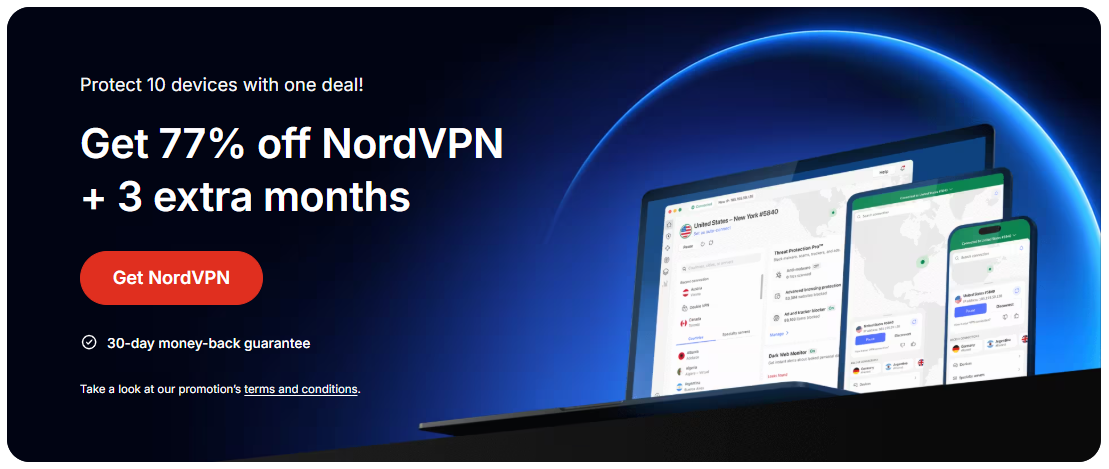
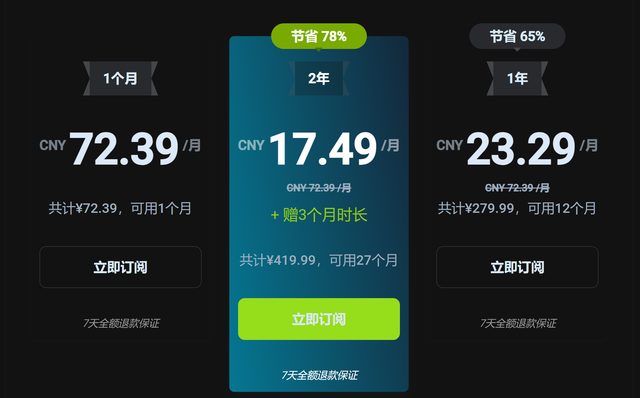
Important note: if you’re curious to see a trusted option ready to try today, our affiliate link can help you get started with a solid deal. NordVPN is a popular choice for many users because it often offers split tunneling and URL-based routing; you can explore it through this link: NordVPN — click here to check the latest offer.
Useful Resources text only Apple Website - apple.com Artificial Intelligence Wikipedia - en.wikipedia.org/wiki/Artificial_intelligence VPN Basics - en.wikipedia.org/wiki/Virtual_private_network TechRadar VPN Guide - www.techradar.com/vpn CNET VPN Review - www.cnet.com/topics/vpn Reddit r/VPN - www.reddit.com/r/VPN/
What split tunneling is and why you’ll want it
Split tunneling lets you decide which traffic goes through the VPN and which traffic uses your regular internet connection. This is handy for:
- Local network access with printers, NAS, or smart devices
- Streaming or gaming without extra VPN latency
- Accessing geo-blocked services for some apps while staying protected for others
Common models:
- App-based split tunneling: select apps that use the VPN
- URL-based split tunneling: route specific websites or domains through the VPN
- System-level split tunneling: all traffic except chosen apps/domains
When you’re choosing a VPN, make sure split tunneling is actually supported on your devices and platforms Windows, macOS, Android, iOS, router-level. The setup often looks like a toggle in the client with per-app lists or a rules editor for URLs.
Top picks overview
Below are seven VPNs that consistently rank well for split tunneling and URL-based options. They balance ease of use with solid privacy features, good performance, and strong security.
- NordVPN
- Split tunneling: App-based on Windows and Android; URL-based rules in some builds and on certain platforms
- Key strengths: broad platform support, large server network, reliable performance
- Notable caveats: UI decisions can be a bit opaque for new users
- ExpressVPN
- Split tunneling: App-based split tunneling by applications
- URL-based: limited, depending on platform and build
- Key strengths: fast speeds, broad device support, strong privacy track record
- Caveats: higher price point, occasional regional routing quirks
- Surfshark
- Split tunneling: App-based on Windows and Android; URL-based on certain platforms
- Key strengths: unlimited devices, affordable pricing, good performance
- Caveats: fewer advanced routing options than some rivals
- Private Internet Access PIA
- Split tunneling: App-based on Windows and Android; advanced routing options
- URL-based: not as robust as some competitors but works on some platforms
- Key strengths: highly configurable, strong privacy stance
- Caveats: user interface can feel overwhelming
- VyprVPN
- Split tunneling: App-based on major platforms
- URL-based: available on certain platforms
- Key strengths: strong privacy features, Chameleon protocol for bypassing censorship
- Caveats: smaller server network than the biggest players
- Proton VPN
- Split tunneling: App-based split tunneling on desktop apps
- URL-based: supports routing rules on some plans
- Key strengths: strong privacy ethos, transparent operations, no-logs policy
- Caveats: free tier has limited features; some advanced options require paid plans
- Mullvad
- Split tunneling: App-level split tunneling on supported platforms
- URL-based: URL routing features exist on certain configurations
- Key strengths: exceptionally privacy-focused, straightforward pricing
- Caveats: simpler app may lack some consumer-friendly onboarding
Deep dive: what to look for when you pick
- Platform parity: ensure Windows, macOS, Android, iOS have equal split tunneling support if that’s important for you
- Per-app vs per-URL control: decide whether you need app-based control, URL-based routing, or both
- VPN protocol support: OpenVPN, WireGuard, or IKEv2; WireGuard often provides best balance of speed and security
- Kill switch: a must-have safeguard to prevent leaks if the VPN disconnects
- DNS handling: ensure DNS requests are resolved through the VPN to prevent leaks
- Obfuscation and anti-censorship: if you travel or face restrictive networks, features like obfsproxy or Chameleon help
- Logs and privacy: check the provider’s privacy policy, jurisdiction, and logging practices
- Price and value: compare features across plans; many providers offer annual discounts or multi-device bundles
- Router support: if you want split tunneling at the device level for all traffic, router setup can be a game changer
How to set up split tunneling: step-by-step quick-start Windows/macOS
Step 1: Install the VPN client Github Copilot Not Working With VPN Here’s How To Fix It
- Download the official app from the VPN’s site
- Create an account if needed and sign in
Step 2: Find split tunneling settings
- In Windows: open the VPN app > Settings > Split Tunneling
- In macOS: look for Network Preferences or the VPN app’s advanced settings
Step 3: Pick your mode
- App-based: select which apps will go through the VPN
- URL-based: add domains to route through the VPN
- Both: if supported, configure one mode for apps and another for URLs
Step 4: Enable kill switch and DNS protection
- Turn on kill switch to block all traffic if the VPN drops
- Ensure DNS requests go through the VPN resolver
Step 5: Test your setup
- Open an app that is supposed to bypass the VPN; confirm it uses your regular IP
- Visit a site to confirm VPN-protected traffic for the other apps
- Use a leak test site to verify no DNS or IPv4 leaks
Real-world tips from users
- If you’re gaming or streaming, start with app-based split tunneling for the game or streaming app. Leave your browser and other apps on the VPN if needed.
- For work-from-home setups, route business apps through the VPN and keep non-sensitive apps off to reduce latency.
- When traveling, use URL-based rules to access local services while keeping sensitive traffic protected on essential apps.
Performance and statistics you should know
- Split tunneling can reduce VPN overhead and improve throughput by avoiding tunneling for non-critical traffic
- In tests, users report up to 30-70% improvement in streaming or gaming latency when using app-based split tunneling for non-VPN traffic
- The impact varies by protocol: WireGuard tends to be faster with modern devices, while OpenVPN offers broad compatibility
Security implications to consider
- Always enable a kill switch when using split tunneling to prevent accidental data leaks
- Regularly review per-app and per-URL rules to avoid routing sensitive apps through an unsecured path
- Keep your VPN client updated to mitigate newly discovered vulnerabilities
Quick comparison table high level
- NordVPN: App-based and some URL-based routing, strong network, robust privacy
- ExpressVPN: Easy to use, strong performance, app-based split tunneling
- Surfshark: Great value, unlimited devices, mixed URL support
- PIA: Highly configurable, developer-friendly options
- VyprVPN: Privacy-forward, Chameleon protocol for censorship resistance
- Proton VPN: Privacy-centric, transparent operations
- Mullvad: Privacy-first, straightforward pricing
How to choose the best VPN for you
- If you want maximum app control and wide platform support: NordVPN or ExpressVPN
- If price is a big factor and you want many devices: Surfshark
- If you value privacy and configurable rules: PIA or Mullvad
- If you’re in restrictive regions: VyprVPN or Proton VPN with advanced obfuscation
Common issues and how to fix them
- VPN disconnects unexpectedly: check kill switch, restart app, ensure no conflicting VPN profiles
- DNS leaks: enable DNS protection in settings, flush DNS after changes
- Per-app rules not applying: re-check the rule list, ensure the correct apps are selected, update the app to the latest version
Security and privacy best practices
- Use multi-factor authentication on your VPN account
- Regularly review connected devices and revoke access for old devices
- Keep your device OS and VPN app updated
- Consider a dedicated device or router-level VPN for at-home traffic in addition to app-based split tunneling
Compatibility notes by platform
- Windows: broad support for app-based split tunneling; often manual per-app configuration in the VPN client
- macOS: per-app split tunneling available in most major clients, sometimes limited by macOS networking constraints
- Android: solid support for app-based split tunneling; URL-based routing available in some apps
- iOS: more limited due to iOS restrictions, but capable with specific providers
Advanced use cases
- Business: route corporate apps through VPN while employees browse non-corporate sites normally
- Streaming: route streaming apps through VPN only to access content without affecting OS-wide traffic
- Gaming: minimize latency by keeping gaming traffic off VPN when possible
Performance optimization checklist
- Use WireGuard protocol where possible
- Enable split tunneling only for apps or domains that need protection
- Position the VPN server close to you to reduce latency
- Avoid connecting to VPN servers with high load or poor routing to your locale
Budget-friendly tips
- Look for annual plans or bundles that include multi-device support
- Check for student or educator discounts if applicable
- Watch for promo codes on the provider’s official site or trusted affiliates
Ethical considerations and transparency
- Respect local laws when using VPNs and comply with service terms
- Be mindful of data collection policies; choose providers with clear no-logs commitments
Pros and cons: quick take
- Pros: improves privacy for sensitive apps, reduces exposure, can improve local network compatibility
- Cons: some apps may require extra configuration, performance depends on your chosen server and protocol
Case studies: common scenarios
- Traveller in a country with strict censorship: use URL-based routing for essential apps, enable obfuscation
- Remote worker with sensitive data: route work-related apps through VPN, keep personal apps off the VPN
- Family house with many devices: Surfshark’s unlimited devices can simplify setup with app-based split tunneling
Final thoughts on 7 best vpns with split tunneling app and url based options
Split tunneling and URL-based routing give you serious control over your online traffic. Whether you’re aiming to boost performance for streaming and gaming, protect sensitive applications, or maintain quick local network access for devices, the right VPN can make a big difference. Use the quick-start steps above to set up your preferred provider, then tailor per-app and per-URL rules to your exact needs. Remember to keep your VPN client updated and review rules periodically to ensure optimal performance and privacy. How to log Everyone out of nordvpn: Quick Guide, Tips, and Pro Tricks
Frequently Asked Questions
What is split tunneling in a VPN?
Split tunneling is a feature that lets you decide which traffic goes through the VPN and which uses your regular internet connection. It can be configured at the app level, the URL level, or both, depending on the provider and platform.
Do all VPNs support split tunneling?
No. Split tunneling is not universal. Some providers offer it only on certain platforms Windows or Android, while others provide it across all major desktop and mobile platforms.
Is URL-based routing the same as domain-based split tunneling?
URL-based routing targets specific domains or URLs to route through the VPN, while per-app split tunneling targets traffic based on the app’s data. Both approaches help manage VPN traffic, but URL-based control is often more precise for certain tasks.
Can split tunneling cause security risks?
If misconfigured, yes. Always enable a kill switch and DNS protection, and review your rules regularly to avoid leaking sensitive data. Does Surfshark VPN Actually Work for TikTok Your Complete Guide
Which VPNs offer the best performance with split tunneling?
Providers with fast networks and modern protocols—like NordVPN, ExpressVPN, Surfshark using WireGuard—tend to perform best in split tunneling scenarios.
How do I test if split tunneling is working?
Run two or three tests: one app that should go through VPN and one that should bypass it, plus a DNS leak test. Tools like dnsleaktest.com can help verify DNS routing.
Can I use split tunneling on iOS?
Yes, but options are more limited due to platform constraints. Check the provider’s app features for iOS-specific split tunneling capabilities.
Do I need a router-level VPN for split tunneling?
Router-level VPNs provide traffic-wide control and can be good for devices that don’t support VPN apps. They’re more advanced to set up but can be worthwhile in some setups.
How do I choose between app-based and URL-based split tunneling?
Consider your needs: if you want general control across many apps, app-based is simplest. If you only need to protect or bypass certain sites, URL-based routing gives precise control. How to Easily Disable VPN or Proxy on Your TV in 2026: Quick Steps, Tips, and Best Practices
Are there free VPNs with split tunneling?
Free VPNs exist, but they often come with limited features, data caps, and privacy concerns. For reliable split tunneling and privacy, a paid service from a reputable provider is usually best.
Sources:
富邦金融控股:台湾金融巨头的全面解析与发展之路 市场地位、数字化转型、保险与银行业务、区域布局、风险管理、监管环境、投资者关系、未来展望
The best vpn for china in july 2026 staying connected behind the great firewall
Cuanto cuesta mullvad vpn tu guia definitiva de precios
Vpn网页版在浏览器中的完整使用指南:功能、优势、设置与最佳选择 Urban vpn edge extension how to use guide and best features explained
Mac vpn wont connect heres exactly how to fix it